
Oral Surgery

Tooth Extractions

Safe, gentle tooth removal when a tooth cannot be saved. We'll discuss all alternatives and replacement options to protect your smile and bite.
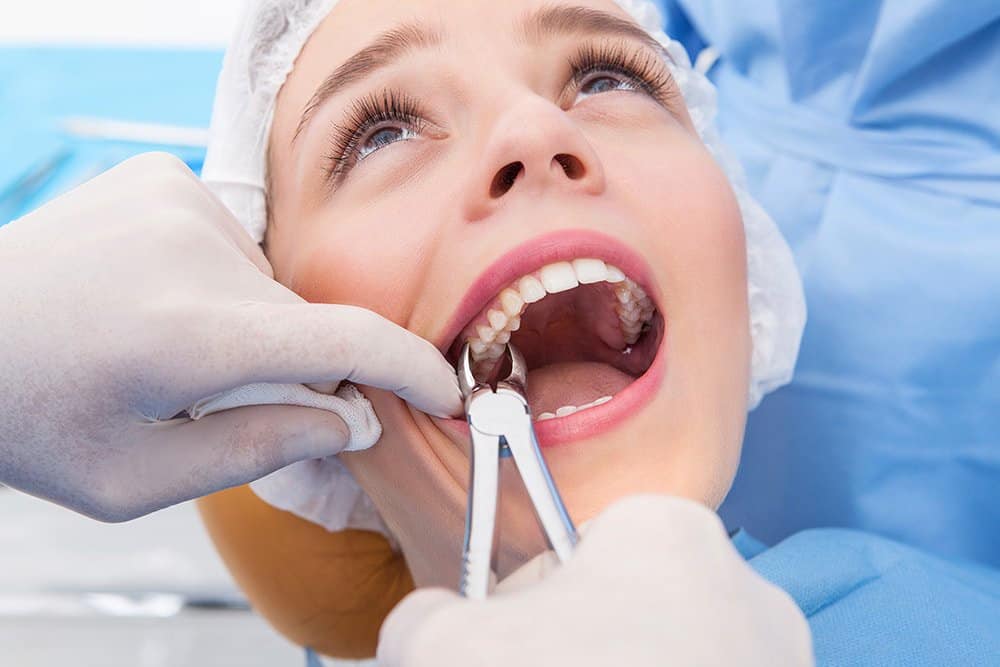
Tooth Extractions at Hudson Dental Center West New York

When Is a Tooth Extraction Needed?

Your dentist may recommend a tooth extraction for several reasons. Some teeth are too severely decayed to repair, while others may have advanced gum disease or have broken in a way that can't be fixed. Teeth may also need removal if they're poorly positioned in your mouth—such as impacted wisdom teeth—or in preparation for orthodontic treatment.

We understand that the idea of losing a tooth can be stressful. That's why we'll always discuss alternatives to extraction first, and if removal is necessary, we'll talk through your options for replacing the tooth to protect your smile and oral health.

Why Tooth Replacement Matters

The removal of even a single tooth can lead to problems with chewing, issues with your jaw joint, and shifting of neighboring teeth. These changes can have a major impact on your dental health over time. In most cases, we'll recommend replacing the extracted tooth to avoid these complications.

What to Expect During Your Extraction

Before we begin, we'll numb your tooth, jawbone, and surrounding gums with a local anesthetic. During the procedure, you'll feel pressure as we gently rock the tooth to widen the socket for removal. The anesthetic blocks pain signals, but pressure sensations still come through—that's completely normal. If you feel any pain at all during the extraction, please let us know right away so we can adjust.

Sectioning a Tooth

Some teeth require sectioning, a common procedure used when a tooth is firmly anchored or has a curved root. We simply divide the tooth into sections and remove each piece one at a time. This makes the process easier and more comfortable for you.

After Your Extraction

After the procedure, you'll need to rest and have someone drive you home. Here's what to expect:

Bleeding: The extraction site will bleed for a little while. We'll apply gauze at the end of your appointment, and you'll need to change it when it becomes soaked. If bleeding continues for longer than 24 hours, please call our office.

Rest: Take it easy when you get home, but don't lie flat—this can prolong bleeding. Prop your head up on a pillow.

Pain management: We'll prescribe pain medication if needed. You can also use an ice pack to reduce discomfort and swelling.

Cleaning: We may provide a special cleaning solution to keep the extraction site clean as it heals.

What You Can Eat

Stick to soft foods for a few days after your surgery:

  • Gelatin and pudding
  • Yogurt
  • Mashed potatoes
  • Ice cream
  • Thin soups
  • Other foods you can eat without chewing

Important: Don't use a straw when drinking, and avoid smoking. The sucking motion can loosen sutures and slow the clotting process.

If you experience prolonged pain, bleeding, irritation, or feel that the site isn't healing properly, call our office for a follow-up appointment.

How it works
01

Consultation & Evaluation

We'll examine your tooth and discuss whether extraction is necessary, along with alternatives and replacement options.

02

Anesthesia & Numbing

We numb the tooth, jawbone, and gums with local anesthetic so you feel only pressure, not pain.

03

Gentle Removal

We carefully rock the tooth to widen the socket and remove it. If needed, we'll section the tooth into smaller pieces for easier removal.

04

Aftercare & Healing

We'll provide gauze, pain medication if needed, and detailed instructions to ensure proper healing at home.

Common questions
Will the extraction hurt?+

No. We use local anesthetic to numb the area completely. You'll feel pressure during the procedure, but not pain. If you do feel any discomfort, let us know immediately so we can adjust.

How long does it take to heal after an extraction?+

Initial healing typically takes 1-2 weeks, though complete bone healing can take several months. You'll be able to return to normal activities within a few days, and we'll monitor your progress.

What happens if I don't replace the extracted tooth?+

Leaving a gap can cause neighboring teeth to shift, affect your bite, create chewing difficulties, and lead to jaw joint problems. We'll discuss replacement options like implants, bridges, or dentures to prevent these issues.

Related services
Root Canal Therapy or RCT at Hudson Dental Center West New York

Root Canal Therapy

Save your natural tooth with gentle root canal treatment. We remove infection, relieve pain, and restore your tooth to full function—often in just one or two comfortable visits.
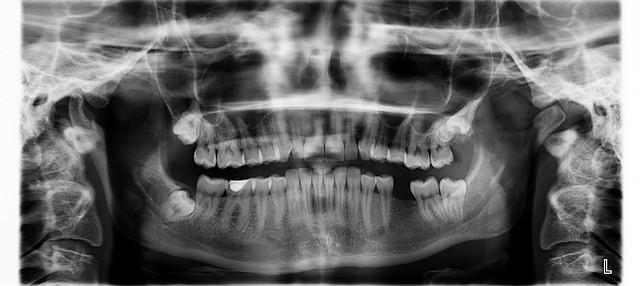
Exams and X-Ray Hudson Dental Center

Dental Exams & X-Rays

Comprehensive dental exams and diagnostic x-rays help catch problems early, protecting your smile and preventing costly treatments down the line.
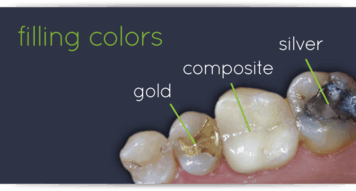
Composite Fillings in West New York

Composite Fillings

Tooth-colored composite fillings repair cavities, chips, and cracks while blending naturally with your smile. Durable, comfortable, and completed in a single visit.

Get in touchWest New York, NJ

Ready when you are — let's get you smiling.

New patients are always welcome. Give us a call, and we'll find a time that fits — gentle care, honest answers, no pressure.

  • No-pressure, unhurried first visit
  • We file your insurance for you
  • Same-day emergency appointments
  • Easy online booking, day or night
Call (201) 662-1922Contact us