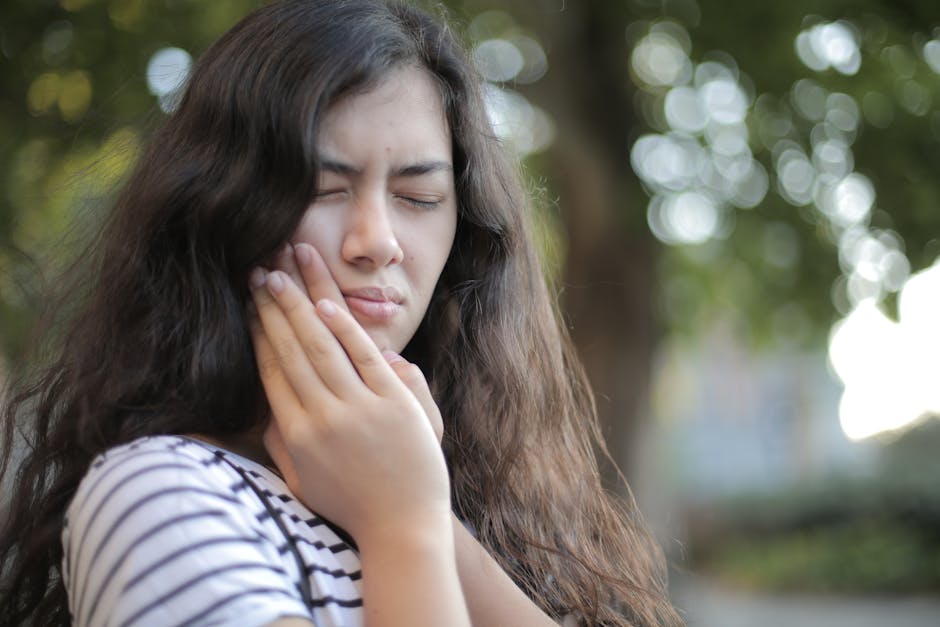
Imagine a Life Free of Pain
If you're struggling with jaw pain, chronic headaches, migraines, or facial discomfort, you're not alone—and we're here to help. At Hudson Dental Center, Dr. Kabaria and her team specialize in treating TMJ/TMD and craniofacial pain, conditions that often signal a deeper underlying problem.
Although many patients use the term "TMJ," what they're experiencing is often part of a broader spectrum of craniofacial pain that includes chronic head and facial pain, recurrent headaches, migraines, and neck pain. Successful treatment starts with identifying the root cause, not just masking symptoms.
What is TMJ/TMD?
TMJ refers to your jaw joint—the TemporoMandibular Joint. When people say "TMJ," they usually mean pain or functional issues in that area. TMD is the actual dysfunction or disease of the TMJ. It can present in many different forms, which makes it complicated to treat.
What Causes TMD?
TMD is usually the result of a series of injuries that strain the joint, such as:
- Trauma (a blow to the face)
- Car accidents
- A bad bite
- Clenching or grinding your teeth (bruxism)
Often, pinpointing the exact "cause" is impossible—and unnecessary. The only time the cause is clear is if you've had an acute injury: an obvious trauma to the head or neck followed quickly by symptoms.
Chronic TMJ pain usually builds over years. Your body compensates until another injury pushes the system over the edge, and the pain becomes intolerable.
Our Approach: Non-Invasive, Reversible Therapy
At the TMJ & Sleep Center of New Jersey, we believe in starting with reversible, non-invasive treatment. In our office, this typically means oral orthotic therapy lasting 12–16 weeks. We have a 95% success rate in addressing reported symptoms and successfully weaning patients off the daytime orthotic.
If weaning is unsuccessful, we'll explore and recommend non-reversible Phase II therapy options to stabilize your condition.
Symptoms We Treat
- Pain in the face or jaw
- Difficulty chewing comfortably
- Inability to open your mouth fully or comfortably
- Clicking or popping noises in the jaw
- Neck or upper back pain
- Ear stuffiness or ringing
- Sensation of "something stuck in my throat"
- Undiagnosed dental pain
- Headaches and migraines
- Forward head posture
- Pain at the base of your skull
- Dizziness
- Numbness or tingling in hands or fingers
- Restlessness or anxiety (often accompanying chronic pain)
What Happens Without Treatment?
Left untreated, TMD can lead to:
- Increased or continued jaw or facial pain
- Loss of ability to chew effectively
- Inability to open your mouth
- Worsening joint noise—or complete dislocation
- Spreading back pain
- Hearing loss
- Choking sensations
- Unnecessary tooth extractions
- More frequent and intense headaches
- Loss of balance
- Permanent loss of hand or finger function
- Anxiety and depression
TMJ is also closely related to obstructive sleep apnea and other sleep breathing disorders.
Meet Dr. Anita Kabaria
Dr. Kabaria is a Board Certified TMJ and Orofacial Pain Specialist, a Diplomate of the American Board of Orofacial Pain, and qualified by the American Academy of Dental Sleep Medicine.
Originally from India, Dr. Kabaria earned her dental doctorate in Karad before pursuing advanced training in the United States. She received her Doctor of Dental Surgery (DDS) from the Buffalo School of Dental Medicine and completed specialized training in TMD and Orofacial Pain at Rutgers School of Dental Medicine.
Known for her warm, empathetic approach, Dr. Kabaria understands the physical and emotional toll of chronic pain. She's committed to helping patients find relief through conservative therapies and advanced interventions, and she stays at the forefront of her field by regularly attending conferences and seminars.
Outside the office, Dr. Kabaria enjoys traveling with her husband and two young daughters, painting, skiing, and hiking.
We're excited to help you find relief and look forward to providing you with exceptional care.