
Endodontic

Root Canal Retreatment

When a previously treated tooth becomes painful or infected again, root canal retreatment can save your natural tooth by reopening, cleaning, and resealing the canals.
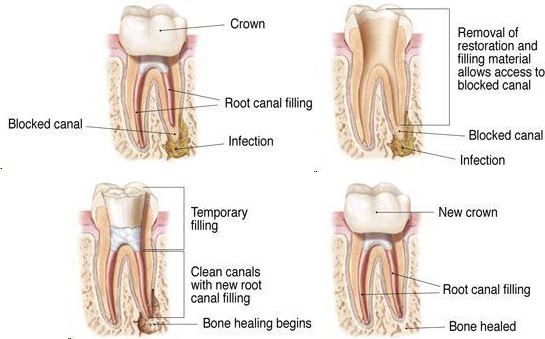
Root Canal Retreatment (Endodontist Retreatment)

Why Retreatment May Be Needed

Teeth with endodontic treatment can last as long as natural teeth when you brush and floss daily, have routine check-ups, and eat a healthy diet. However, sometimes a tooth that has undergone root canal therapy doesn't heal properly, or pain and disease return months or even years later. When this happens, root canal retreatment—also called endodontic retreatment—may save your tooth.

Common Reasons for Retreatment

Damage to the root: Root damage can occur from a root fracture or because of a cyst or infection forming around the tip of the root.

New decay develops: When the root canal filling becomes exposed to bacteria through new decay, the treatment area can become infected again. A broken, loose, or cracked crown or filling can cause the same problem.

Root canals not thoroughly cleaned and sealed: For treatment to work, the root canals must be thoroughly cleaned and sealed as close to the root as possible. In some cases, the canals may be so tiny, curved, or hardened that they're difficult to clean completely during the initial procedure.

The Retreatment Procedure

During endodontic retreatment, we reopen the root canals, clean them thoroughly, and seal them again. This procedure is performed in-house by our root canal specialist, also known as an endodontist.

Usually the crown and other materials must be removed so we can access the canals. We carefully examine the inside of the tooth for additional canals and unusual anatomy to ensure thorough cleaning and sealing during retreatment.

If the canals are narrow, curved, or hardened, we can make a small incision close to the end of the root so that the tip can be sealed properly.

Following your final visit, a new restoration must be placed to protect the tooth and restore normal biting and chewing function.

After Your Root Canal Retreatment

Every patient is different, but you'll receive detailed post-operative instructions. If everything goes according to plan, any swelling, soreness, and pain should subside within a week or two. We'll ask you to schedule a follow-up appointment so we can monitor your progress and place a new dental crown.

Pay special attention to your retreated tooth during your oral hygiene routine. Proper brushing and flossing can prevent future complications. Regular checkups and professional cleanings are also an important part of your oral health.

Alternatives to Retreatment

Endodontic surgery, or surgery combined with retreatment, may be recommended in some cases. Tooth extraction is the only other alternative, followed by a dental implant. This process is ultimately more expensive and time-consuming because the tooth must be replaced. While modern tooth replacements are effective, nothing is better than your natural tooth.

If you're experiencing problems with a previously treated tooth, you may need root canal retreatment. Call 201.662.1922 to schedule your appointment now!

How it works
01

Remove existing restoration

We carefully remove the crown and other materials to access the root canals.

02

Examine and clean

The inside of the tooth is thoroughly examined for additional canals and unusual anatomy, then cleaned completely.

03

Seal the canals

The canals are filled and sealed again. If needed, we may make a small incision to seal the root tip.

04

Place new restoration

A new crown is placed to protect the tooth and restore full function.

Common questions
Why would I need retreatment if I already had a root canal?+

Sometimes a treated tooth doesn't heal properly, or new problems develop—such as new decay exposing the filling to bacteria, a cracked crown, or damage to the root. Retreatment addresses these issues and gives your tooth another chance to heal.

Is retreatment better than just extracting the tooth?+

Yes, in most cases. Extraction followed by an implant is more expensive and time-consuming. Nothing works quite as well as your natural tooth, so we always try to save it when possible.

How long does recovery take after retreatment?+

Most patients find that swelling, soreness, and pain subside within a week or two. We'll give you detailed post-operative instructions and schedule a follow-up appointment to monitor your progress.

Related services
Root Canal Therapy or RCT at Hudson Dental Center West New York

Root Canal Therapy

Save your natural tooth with gentle root canal treatment. We remove infection, relieve pain, and restore your tooth to full function—often in just one or two comfortable visits.
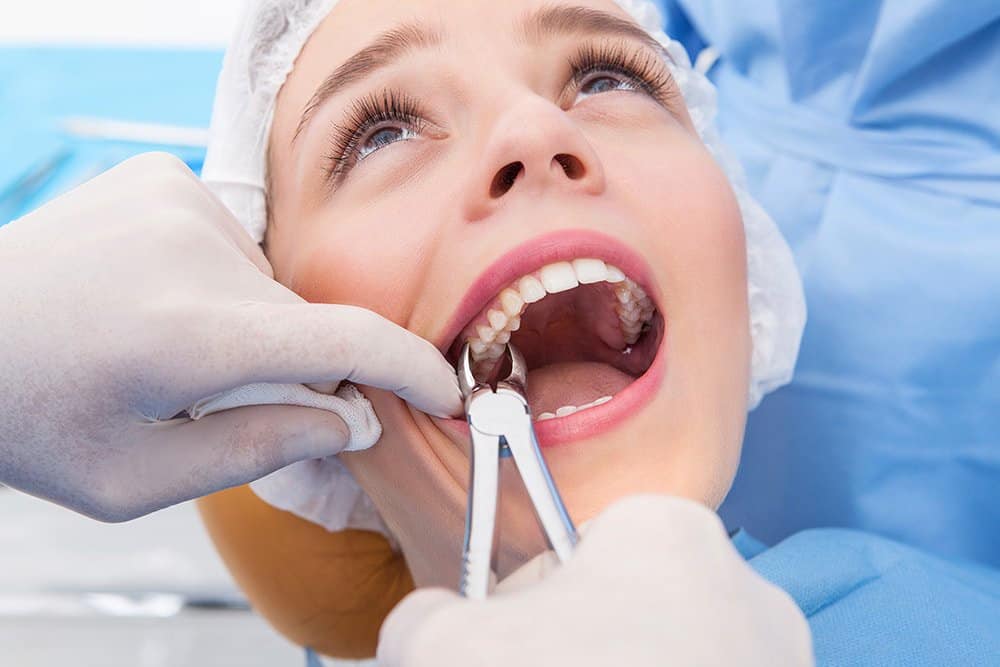
Tooth Extractions at Hudson Dental Center West New York

Tooth Extractions

Safe, gentle tooth removal when a tooth cannot be saved. We'll discuss all alternatives and replacement options to protect your smile and bite.

Call Now

Dental Implants

Replace missing teeth with permanent, natural-looking dental implants. Titanium supports fuse with your jawbone to anchor lifelike teeth that last a lifetime.

Get in touchWest New York, NJ

Ready when you are — let's get you smiling.

New patients are always welcome. Give us a call, and we'll find a time that fits — gentle care, honest answers, no pressure.

  • No-pressure, unhurried first visit
  • We file your insurance for you
  • Same-day emergency appointments
  • Easy online booking, day or night
Call (201) 662-1922Contact us