
Periodontal

Periodontal / Gum Disease Treatment

Comprehensive treatment for gum disease, from early gingivitis to advanced periodontitis. We help restore gum health and prevent tooth loss with proven surgical and non-surgical therapies.
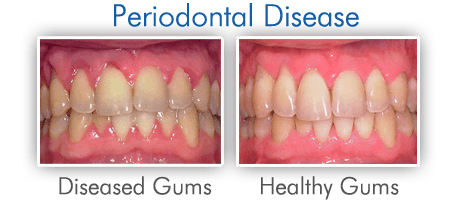
Periodontal Disease - West New York

What Is Periodontal Disease?

The term "periodontal" means "around the tooth." Periodontal disease—also known as periodontitis or gum disease—is a common inflammatory condition that affects the soft tissues surrounding your teeth and, in advanced stages, the jawbone itself.

It usually begins with gingivitis, a bacterial infection of the gum tissue. When toxins in plaque irritate and inflame your gums, bacteria can colonize in the pockets between your teeth and gums, making the infection harder to remove and treat. Left untreated, periodontal disease progressively destroys the connective tissue and bone that support your teeth, eventually leading to shifting, loose teeth, and tooth loss.

Periodontal disease is the leading cause of tooth loss among adults in the developed world, which is why prompt treatment is so important.


Types of Periodontal Disease

When gingivitis spreads below the gum line, your body's inflammatory response can begin breaking down bone and soft tissue. You may notice few symptoms at first, but deepening pockets between your gums and teeth signal that damage is occurring.

Here are the most common forms:

  • Chronic periodontitis – The most common type, marked by inflammation, deep pockets, and gum recession. Your teeth may appear longer as gums recede. Bone and tissue loss progresses gradually, sometimes with periods of rapid decline.

  • Aggressive periodontitis – Occurs in otherwise healthy individuals and causes rapid gum attachment loss and bone destruction. Often runs in families.

  • Necrotizing periodontitis – Most often seen in people with systemic conditions like HIV, immunosuppression, or malnutrition. Causes tissue death in the gums, periodontal ligament, and bone.

  • Periodontitis caused by systemic disease – Often begins early in life and is linked to conditions like diabetes, heart disease, and respiratory disease.


Our Treatment Approach

Before recommending any treatment, we perform a complete periodontal exam to assess the condition of your teeth, gums, and jawbone. Depending on what we find, we'll create a personalized plan that may include one or more of these proven therapies:

Non-Surgical Treatments

Scaling and root planing – A deep cleaning that removes bacteria and tartar from below the gum line and smooths root surfaces to help gums reattach. We may also use antibiotics or prescription mouthwash to control infection.

Surgical Treatments

Tissue regeneration – When bone or gum tissue has been lost, we can encourage regrowth using grafting procedures and specialized membranes placed in the affected areas.

Pocket elimination surgery (flap surgery) – A surgical procedure to reduce pocket depth, making it easier to keep the area clean and healthy. We may also reshape the jawbone to eliminate areas where bacteria thrive.

Dental implants – If you've lost teeth to gum disease, we can restore both function and appearance with implants anchored into the jawbone. Tissue regeneration may be needed first to strengthen the bone.


Why Choose Hudson Dental Center?

We understand that gum disease can feel overwhelming. Our team takes the time to explain your condition clearly, answer all your questions, and help you feel comfortable throughout treatment. Our goal is to save your natural teeth whenever possible and restore your oral health for the long term.

How it works
01

Comprehensive Periodontal Exam

We carefully evaluate your gums, teeth, and bone to determine the extent of disease and identify the best treatment approach for your situation.

02

Customized Treatment Plan

Based on your exam, we'll recommend the most effective therapies—from scaling and root planing to surgical options—and explain each step clearly.

03

Active Treatment

We remove infection, reduce pocket depth, and may perform regeneration or implant procedures to restore health and function to your mouth.

04

Ongoing Maintenance

Regular cleanings and monitoring help keep gum disease under control and protect your long-term oral health.

Common questions
Will treatment for gum disease hurt?+

We use local anesthesia to keep you comfortable during procedures like scaling and root planing or surgery. Most patients report minimal discomfort, and we'll provide clear aftercare instructions to help you heal smoothly.

Can gum disease be reversed?+

Gingivitis, the earliest stage, can often be reversed with professional cleaning and improved home care. Once it progresses to periodontitis, we can't fully reverse bone loss, but we can stop the disease, restore function, and prevent further damage.

How do I know if I have gum disease?+

Common signs include red, swollen, or bleeding gums, persistent bad breath, receding gums, loose teeth, or changes in your bite. If you notice any of these symptoms, schedule an exam so we can catch and treat the problem early.

Get in touchWest New York, NJ

Ready when you are — let's get you smiling.

New patients are always welcome. Give us a call, and we'll find a time that fits — gentle care, honest answers, no pressure.

  • No-pressure, unhurried first visit
  • We file your insurance for you
  • Same-day emergency appointments
  • Easy online booking, day or night
Call (201) 662-1922Contact us